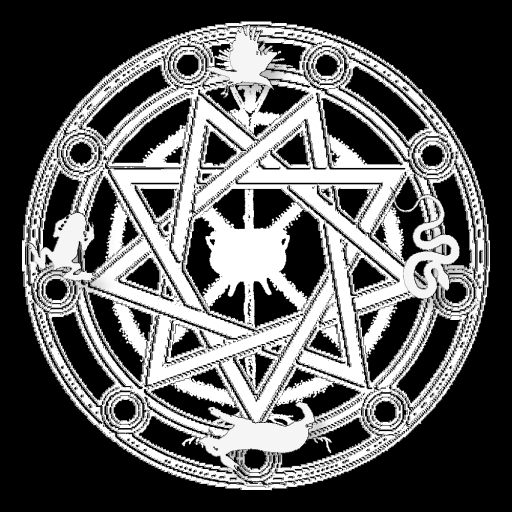

 HAT is the difference between Wicca and Traditional Witchcraft? In fact there are a lot of differences. For ages, any kind of magic was prohibited by the church and if someone testified against you, condemning you as a witch, your doom was sealed. There was no escape, if you didn’t confess you were tortured until you did and if you didn’t you were subjected to the waterproof, if you were innocent you’d drown, if you didn’t you were burned at the stake. Now many scholars came to the conclusion that the majority of the victims of the witch hunts were christian women, it was even rare that a real witch was put to death. In many regions, like Cornwall, Essex, Sussex, Devon, Dartmoor, Exmoor, Wales, Scotland etc, the witches kept in the dark, hidden for the persecutors like the crazy king James (yes the one who lend his name tot the King James Bible).
 Let’s now turn to Wicca for a moment. Gerald Gardner travelled the world to seek out many magical traditions to gather information, to compare, to merge various Witchcraft and Magick traditions, among that Guna Guna, Voodoo/Hoodoo, ceremonial magick, Oreo Temple Orientis, Argentum Astrum (Crowley), Freemasonry and anything that he seemed fit to incorporate in to his new magical system, which he named Wicca. From the 1950’s his new religion became quite popular with many branches that came forth from. Now In Wicca the Wind Directions and the four elements are different: East: Air, North: Earth, West: Water, South: Fire. Let’s now compare that to Cornish Traditional Witchcraft:
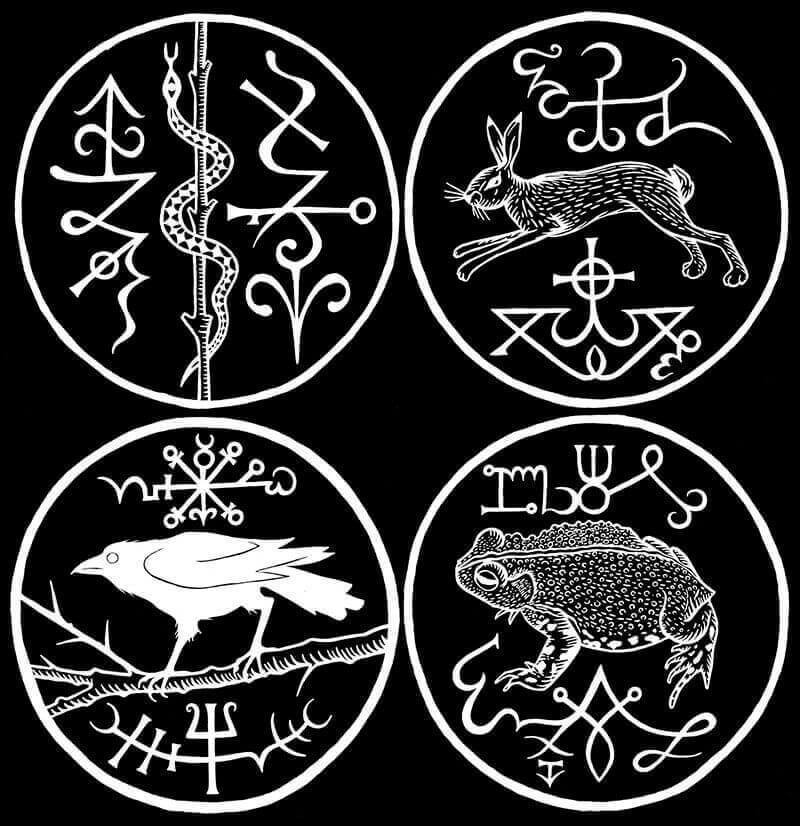 As I have said, in Cornish Traditional Witchcraft, and other British and Celtic Traditions the elements are situated different. East: Fire, North: Wind, West: Water (the only similarity with Wicca), the South: Earth. As you can see there are animals associated with the elements, but it would take a bit to much time now to go into details about that. Another important difference is that in Wicca a circle is casted, this is done clockwise, but in Cornish Traditional Witchcraft ‘the compass is laid’ and is is done witheshins or ‘against the clock’. The workings are done according to the seasons and the eight high feasts, but also dependent on the workings. There is much practice and learning involved and it is not a hobby, but a way of life (but that is of course also the case with Wicca or any other tradition.
That’s it for now. If you want to know more, there a many books on Traditional Witchcraft available at Troy Books UK.

 Morghain’s Traditional Witchcraft