
Sone traditional witches have incorporated christian influences and portions of the Bible. I come from a tradition free from those influences, because of the harm Christianity has done and because in our villagers who encountered us used to spit on the ground when they saw us. We never went to church, though my mom sometimes went on Christmas Eve or when the Mattheus Passion was preformed with the Dutch opera singer Marco Bakker.
My father, not in any way a witch, but a socialist pur sang, just hated christianity , because of his own past with his father and stepmother. I never set foot in a church before 1985, when I was lured into the Pentecostal church and stayed there until 2015 and left with aversion and hatred because of their attitude against LGBTQIAPQ people and other religions.
Because of my past I swore to remove all remnants of christiany and the bible and never incorporate any influences into my practice. I researched on Wicca also and the Cult of Tubal-Kain and the influence of christianiy in Traditional witchcraft and Folk Pratices and found to many biblical influences and couldn’t understand why this religion still had so much of an impact, for me it’s a ninefold NO.
I went back to my roots, for my any name of the Jewish and christian god has any significance to me, no charm, blessing or curse with these abominable names of the biblical god has any relationship with my practice. It took me years of rituals to get rid of those remnants, so for me any circle, coven of grove that has some relation with the bible would ever fit in my life.
A few years i was with the Satanic Temple, but they are very much against the supernatural, and it was just too much of the same and often just make belief fakeism for me
Am I a black witch? There ain’t nothing like that in traditional witchcraft, though there are benevolent and malevolent witches, but nothing like white witch Wicca and the ‘Wiccan Rede’. It’s hard to explain, because I don’t share my practice, only to the seekers who are already familiar with the Craft. I do respect Wiccans, though, but it’s not my path.
I hold my practice free of the evil bible and any christian influence and that has healed a lot of wounds that were inflicted upon me in 30 years of Pentecostal influences. I studied church history and the influence the Maleus Maleficarum had, which even today influences the ‘Satanic Panic’ and ‘Witch Panic’ caused by fundamentalistic religions.
For a life without ‘biblical influences’ is a great life.

 O many people, especially Wiccans, why Traditional Witchcraft isn’t really open to the outside world about the practices. No, for the most part that’s completely true, on the other hand there are a number of books on Traditional Witchcraft available now like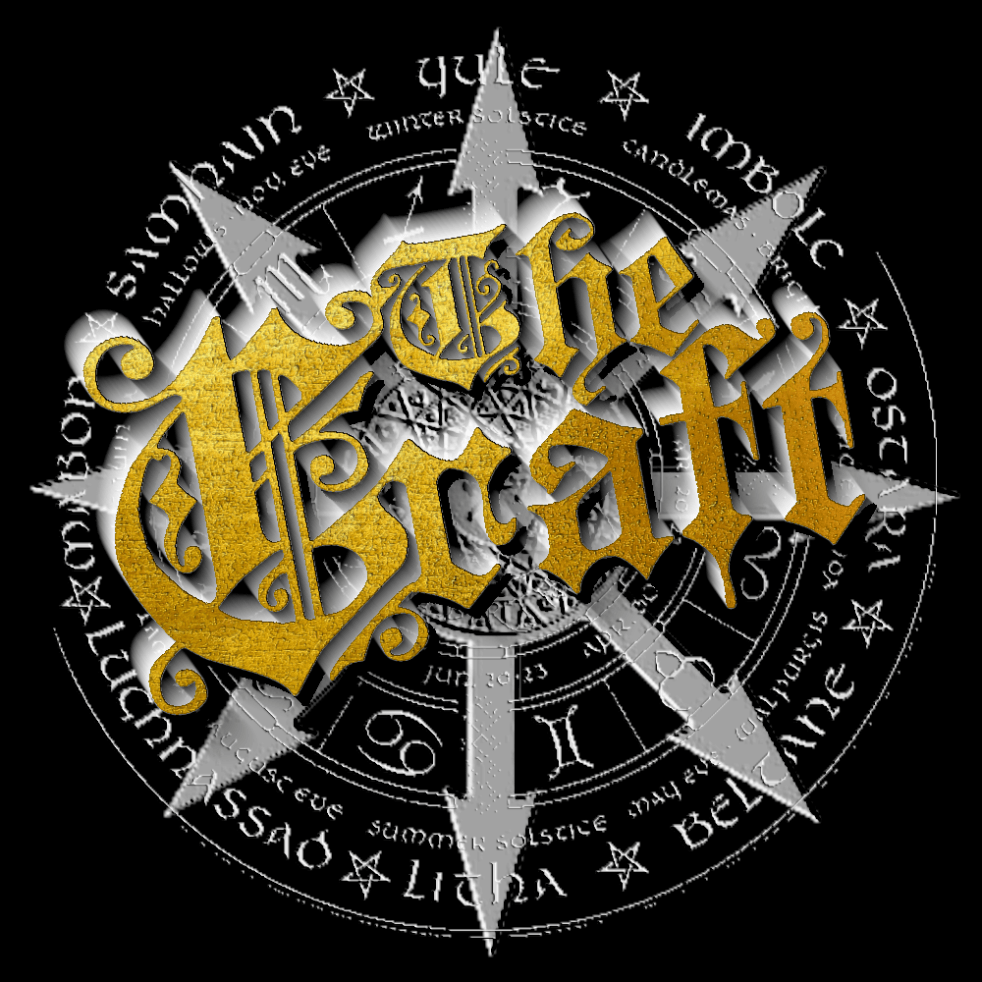
 SUPPOSE it is maybe a strange title for an article, because it isn’t a word found in a dictionary, but for Witchcraft it is essential to be reconned as a craft, if it is a craft. If everything that is called witchcraft has to be a craft rather than a hobby of just a philosophy. There are many pretenders out there, luring at the seekers that pay money for humbug. I see it on TikTok and many other social-media platforms, people PM me to pretend they’ve seen a glimpse of my history, present or future. I’m sorry to say that a traditional witch isn’t a saleswoman on a country fair as a matter of speaking, though she can be in real life, she or he doesn’t need to boast about gifts she/he/they possesses. Often that is a mark of a fraud. I don’t make myself popular by saying this, coming from a line that despises the frauds out there.
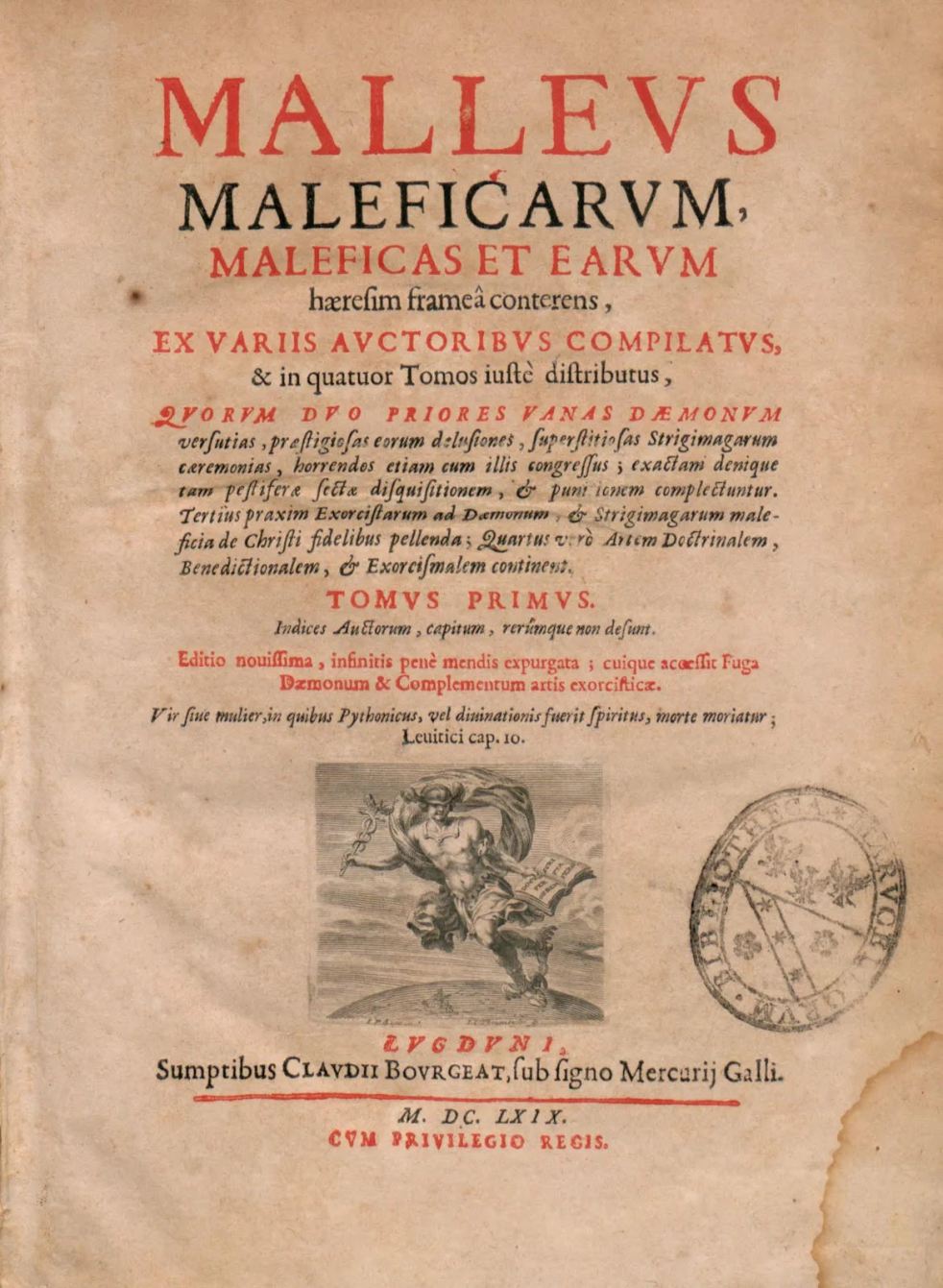
 NE of the most evil and controversial books ever written, by Heinrich Kramer 1) (or: Henricus Institoris) was a book that set off the official persecution of so-called “witches”. There were approximately 110,000 witch trials and about 60,000 “witches” killed 2). Heinrich Kramer was surely women hater pur sang and he presumed that every women, who wasn’t submitted to men, didn’t conform to church doctrine, had knowledge and some sort power beyond what was permitted (that is doing chores, cooking and caring for children), was a witch. What we know is that the majority of women, that were persecuted, were just christian women, seldom were they witches, because, surely after christianity took full control over every aspect of the lives and thoughts of individuals, we kept in the shadows, with the secrecy that was, and still is, an essential part of Traditional Witchcraft.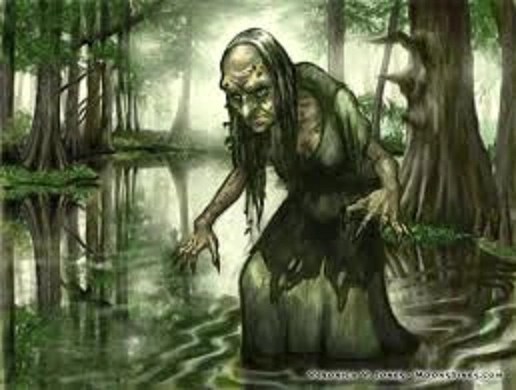
 HE Hag or Hedge rider. Usually old and ugly women were depicted. Let’s see what’s the story behind the original meaning. In the old settlements often a hedge was planted, hedges usually had thorns, so crossing a hedge would mean that you would get hurt, so animals, like wolves and foxes, would stay outside. A hedge could, for example, be a blackthorn, and a blackthorn has magical qualities. Both berries and leafs are commonly used in protection- and counter-curse-magic 1).
 HAT is the difference between Wicca and Traditional Witchcraft? In fact there are a lot of differences. For ages, any kind of magic was prohibited by the church and if someone testified against you, condemning you as a witch, your doom was sealed. There was no escape, if you didn’t confess you were tortured until you did and if you didn’t you were subjected to the waterproof, if you were innocent you’d drown, if you didn’t you were burned at the stake. Now many scholars came to the conclusion that the majority of the victims of the witch hunts were christian women, it was even rare that a real witch was put to death. In many regions, like Cornwall, Essex, Sussex, Devon, Dartmoor, Exmoor, Wales, Scotland etc, the witches kept in the dark, hidden for the persecutors like the crazy king James (yes the one who lend his name tot the King James Bible).
 Let’s now turn to Wicca for a moment. Gerald Gardner travelled the world to seek out many magical traditions to gather information, to compare, to merge various Witchcraft and Magick traditions, among that Guna Guna, Voodoo/Hoodoo, ceremonial magick, Oreo Temple Orientis, Argentum Astrum (Crowley), Freemasonry and anything that he seemed fit to incorporate in to his new magical system, which he named Wicca. From the 1950’s his new religion became quite popular with many branches that came forth from. Now In Wicca the Wind Directions and the four elements are different: East: Air, North: Earth, West: Water, South: Fire. Let’s now compare that to Cornish Traditional Witchcraft:
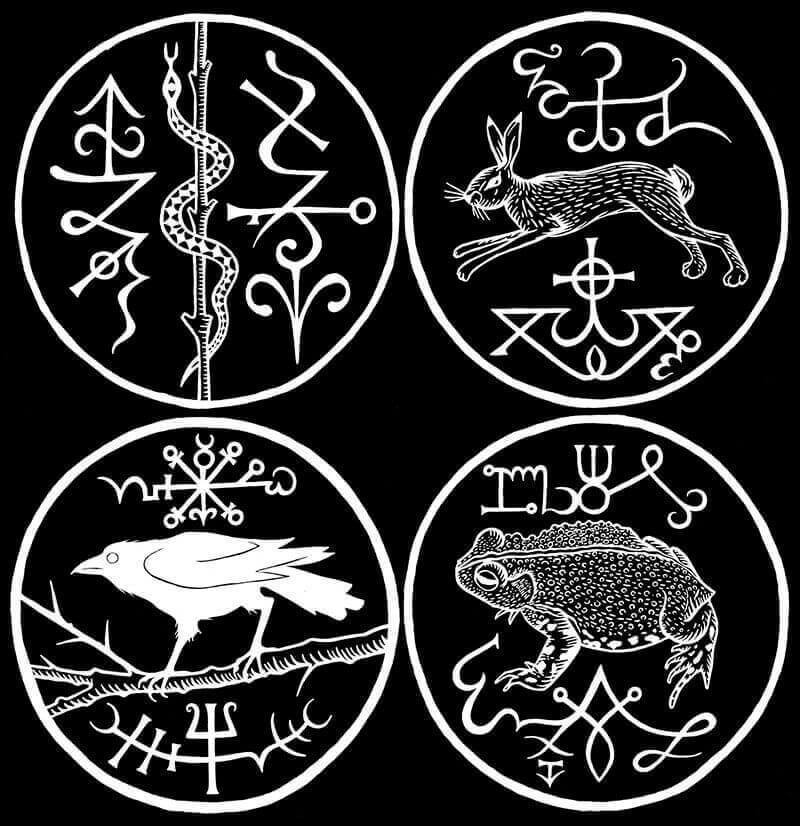 As I have said, in Cornish Traditional Witchcraft, and other British and Celtic Traditions the elements are situated different. East: Fire, North: Wind, West: Water (the only similarity with Wicca), the South: Earth. As you can see there are animals associated with the elements, but it would take a bit to much time now to go into details about that. Another important difference is that in Wicca a circle is casted, this is done clockwise, but in Cornish Traditional Witchcraft ‘the compass is laid’ and is is done witheshins or ‘against the clock’. The workings are done according to the seasons and the eight high feasts, but also dependent on the workings. There is much practice and learning involved and it is not a hobby, but a way of life (but that is of course also the case with Wicca or any other tradition.
 tymologically speaking the word Witch means: someone who has knowledge, from the Germanic/Anglo-Saxon ‘Wit’, what ‘question, quest or a thing (ding) that needs to be answered’ means. Also the Germanic word ‘wet’ what ‘law’ of ‘outcome of a (legal) matter’ means.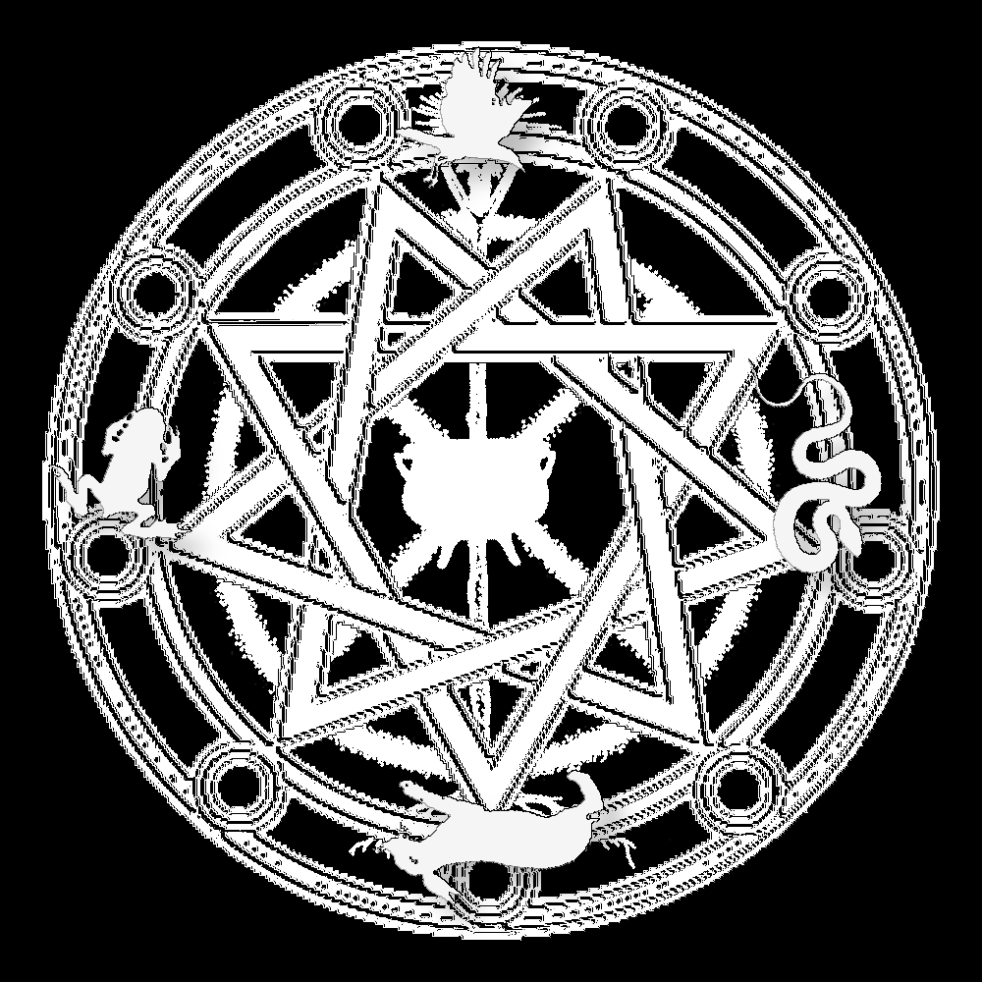
 Morghain’s Traditional Witchcraft